When planning a construction project, choosing the right architect is one of the most important decisions you’ll make. Whether you’re building your dream home or developing a commercial space, understanding the difference between a residential and commercial architect can help you achieve better results, save costs, and avoid design mistakes.
Both types of architects bring unique expertise, but their approach, design priorities, and project handling differ significantly.
If you’re searching for the best architects knowing their specialization is the first step toward making the right choice.
What is a Residential Architect?
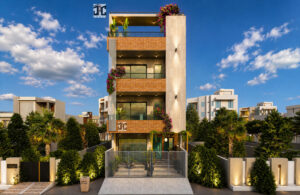
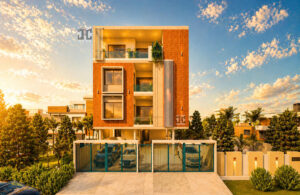
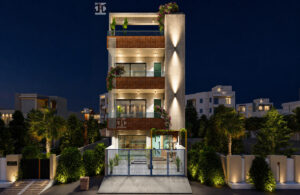
A residential architect specializes in designing homes, villas, apartments, and small housing projects. Their primary focus is on creating comfortable, functional, and aesthetically pleasing living spaces.
Many homeowners looking for luxury home design prefer architects who understand lifestyle needs and personalization.
Key Responsibilities:
- Designing houses, bungalows, and villas
- Space planning for comfort and lifestyle
- Interior layout and aesthetics
- Ensuring natural light and ventilation
- Customizing designs as per family needs
Best For:
- Individual homes
- Luxury villas
- Renovations and extensions
What is a Commercial Architect?
A commercial architect focuses on designing buildings used for business or public purposes. These projects are typically larger and more complex.
Businesses often rely on commercial building design services to ensure functionality, scalability, and compliance with regulations.
Key Responsibilities:
- Designing offices, hotels, malls, and retail spaces
- Ensuring compliance with safety and building codes
- Planning for high foot traffic and functionality
- Coordinating with large teams and contractors
- Optimizing space for business efficiency
Best For:
- Office buildings
- Hotels and resorts
- Retail shops and complexes
- Institutional buildings
Residential vs Commercial Architect: Key Differences
1. Project Type
Residential architects handle homes and living spaces
Commercial architects handle business and public structures
2. Design Approach
Residential: Focus on comfort, personalization, and aesthetics
Commercial: Focus on functionality, scalability, and efficiency
3. Regulations & Compliance
Residential projects follow simpler regulations
Commercial projects must meet strict safety codes, fire laws, and accessibility standards
Residential projects follow simpler approval processes, while commercial projects require strict compliance with safety laws and regulations. Partnering with a reliable construction company can help streamline approvals and execution.
4. Complexity
Residential projects are relatively simpler
Commercial projects involve larger teams, budgets, and timelines
5. Budget & Cost
Residential projects are budget-focused and flexible
Commercial projects involve higher investment and ROI planning
6. Timeline
Residential: Faster execution
Commercial: Longer due to approvals and scale
Can One Architect Handle Both?
Yes, many firms offer both services. If you’re working with an experienced architectural design firm, they may have specialized teams for residential and commercial projects.
Why Choosing the Right Architect Matters
Selecting the right architect ensures:
- Efficient use of space
- Cost-effective planning
- Compliance with local regulations
- Better long-term value
Understanding the difference between residential and commercial architects helps you make smarter decisions for your project. Each specializes in different aspects of design and execution, and choosing the right one can significantly impact your project’s success.
If you’re planning a project, consult an experienced architectural firm that aligns with your vision, budget, and goals.
Frequently Asked Questions
1. What is the main difference between residential and commercial architects?
Residential architects design homes, while commercial architects focus on business buildings like offices, hotels, and malls.
2. Are commercial architects more expensive than residential architects?
Yes, commercial architects usually charge more due to the complexity, scale, and regulations involved in commercial projects.
3. Can I hire a residential architect for a commercial project?
It is not recommended unless they have proven experience in commercial architecture, as regulations and requirements differ significantly.
4. How do I choose the best architect?
Look for experience, portfolio, client reviews, design expertise, and knowledge of local building regulations.
5. Do architects handle approvals and permissions?
Yes, most professional architects assist with approvals, documentation, and compliance with local authorities.